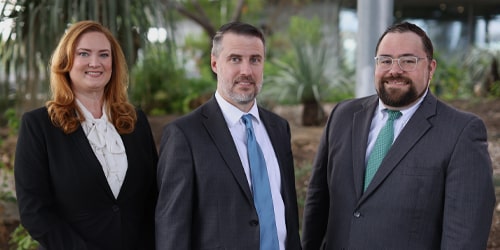
At Lype, Dest & Smith, we leverage over 30 years of dedicated experience to protect the licenses, reputations, and futures of healthcare professionals across Texas.
Your nursing license is the foundation of your career, your professional reputation, and your future in healthcare. When a complaint is filed with the Texas Board of Nursing (BON), the results can determine whether you continue practicing or face unexpected restrictions. At Lype, Dest & Smith, we recognize the stress and personal weight this process brings, and our team is ready to support nurses at every step. Selecting the right nursing license defense attorneys in Plano gives you confidence as you respond to allegations, navigate investigations, and safeguard the career you’ve worked hard to build.
Plano is home to numerous hospitals, private practices, and specialty care centers that depend on registered nurses, licensed vocational nurses, and advanced practice registered nurses. With this strong demand for healthcare professionals comes increased oversight, and state regulators work to ensure the public’s safety. That means even one complaint can affect not only a nurse’s current position but also future opportunities across the city and state. Protecting a nursing license in Plano is critical because the area’s healthcare employers check BON records during hiring, and a disciplinary mark may reduce options for advancement or relocation within a hospital system.
For a nurse, a single complaint can feel overwhelming. Even allegations without merit can cause professional stress, trigger anxiety, and jeopardize years of dedication. Defending a license in Plano requires a clear understanding of both the Texas Nursing Practice Act, often called the NPA, and the rules enforced by the BON. Every nurse deserves the chance to continue their work without unfair or unsubstantiated restrictions, and knowing the defense process is the first step to protecting that right.
The BON is tasked with protecting public health and safety, and one of its primary functions is investigating complaints against nurses. Nurses may face investigations for reasons such as medication errors, documentation issues, boundary concerns, or allegations of unprofessional conduct. Each of these matters has the potential to affect patient safety, so the BON must review them carefully.
According to the Texas Board of Nursing, due process requires that nurses receive notice of the allegations, unless early notice would compromise the investigation. Nurses then have the opportunity to respond, present evidence and mitigating circumstances, and show compliance with the NPA.
An investigation that remains on file can influence a nurse’s record, reputation, and future opportunities, which is why understanding the reasons behind these reviews is essential.
As noted by NurseJournal, common allegations include:
Each category carries different potential outcomes. Some involve mandatory reporting, others require evidence-based explanations, and a few may result in suspension or revocation. For Plano nurses, awareness of these categories is essential because many complaints arise not from intentional misconduct but from misunderstandings, documentation lapses, or workplace pressures.
Many nurses also ask about nursing license versus certification: key differences and why they matter when facing questions about their credentials. A nursing license is issued by the Texas Board of Nursing and grants the legal authority to practice, while certification is typically obtained through a professional organization to demonstrate specialized skills in areas such as critical care, pediatrics, or oncology. Understanding this distinction is vital during a Board investigation, since complaints usually target the nursing license itself — not the optional certifications — which means maintaining compliance with BON rules remains the top priority for protecting your career.
Negligence claims often arise when patient care outcomes do not meet expectations, sometimes leading to complaints that question a nurse’s judgment. Misconduct allegations may involve accusations of unprofessional behavior or breaching ethical standards in daily interactions with patients and colleagues. While some claims are substantiated, others may arise from workplace conflicts, miscommunication, or unclear documentation that complicates the picture.
Addressing these allegations requires a careful review of records, witness statements, relevant policies, and strict adherence to the NPA to present a clear defense, often with guidance from nursing license defense attorneys in Plano who can help frame the response effectively.
Medication administration and accurate documentation are pillars of safe nursing practice. A misstep, whether through a dosage error or incomplete charting, can lead to a complaint and potential review. In many cases, the issue results from systemic problems like short staffing, workflow pressures, or electronic record glitches rather than individual failure. Plano nurses facing this type of allegation must highlight context, provide supporting details, and demonstrate how their overall record of practice aligns with professional standards and patient safety obligations.
The BON investigation process follows a structured path:
Each step carries consequences for timing, reputation, and stress level. Nurses who understand this sequence gain clarity and control as they prepare for what comes next.
One useful approach is to keep a personal timeline of events, including dates, shift assignments, and who was present. This habit can prevent guesswork later and may also help nursing license defense attorneys in Plano translate the story of care into a clear, factual sequence that investigators can follow without confusion.
Disciplinary outcomes vary depending on the severity of the complaint and the evidence presented. Sanctions may include:
Even lesser sanctions, like remedial education or warnings, appear on the BON’s public website. These listings can affect job applications, credentialing opportunities, and long-term reputation. Understanding these consequences shows why addressing complaints promptly is important.
When nurses in Plano face BON complaints, legal counsel provides more than representation; it offers clarity and support through a stressful process. Nursing license defense attorneys in Plano can assist by reviewing the circumstances of the case, advising on available options, and guiding nurses on how to approach the next stages of the process.
An effective response does more than deny or explain allegations. It organizes facts, highlights compliance with established standards, and addresses concerns directly. Depending on the case, the response may include favorable witness accounts, documented adherence to policies, and supporting evidence that clarifies the nurse’s role. Presenting this clearly helps reduce misunderstandings and positions the nurse’s perspective within the BON’s review.
Practical additions make a difference. A short chronology, a copy of relevant orders, and a statement that ties each allegation to the records help reviewers find the answer quickly.
If a case advances to a hearing, representation ensures that the nurse’s rights are preserved. Hearings can involve administrative law judges, settlement discussions, or formal board reviews. Having counsel during these proceedings helps manage timelines, evidentiary requirements, and procedural rules. Negotiation may also take place, addressing sanctions or remedial actions in ways that minimize long-term harm.
Substance-related complaints threaten safety and trust, while boundary violations touch ethical obligations. Both categories carry heavy consequences and often involve complex circumstances. For example, a nurse with a prescribed medication may face allegations of misuse if a colleague thinks the nurse appears impaired. Similarly, a patient’s gift may be interpreted as a boundary issue even without malicious intent.
Addressing these cases requires context. Defense strategies include clarifying medical necessity, providing documentation, or demonstrating corrective action. In a healthcare environment, where patients and providers often interact in long-term settings, these defenses matter deeply, and guidance from nursing license defense attorneys in Plano can help nurses respond effectively.
To stay organized, create a secure folder for all materials and record every deadline on a calendar. Write down questions you want to raise at your next meeting so nothing is overlooked. Clear, concise preparation improves your confidence and helps your legal team deliver focused guidance.
Beyond the immediate risk of losing a license, complaints can have long-lasting effects. Employers may hesitate to hire a nurse under investigation. Colleagues may question professional reliability. Public records can influence opportunities years later.
Protecting your reputation involves more than defending against one complaint. It means demonstrating professionalism, documenting consistently, and responding proactively. Nurses who approach the process with preparation, evidence, and counsel safeguard not only their license but also their long-term career.
If employers ask for an explanation, keep it brief and factual. Share what you can, avoid private health details, and stay consistent across applications. A measured approach, coordinated with your legal counsel, reduces misunderstandings and keeps the focus on your current competencies and record of safe practice.
Investigations vary, but many last several months and sometimes over a year. The BON must review evidence, gather records, and make a determination.
Disciplinary actions, even warnings, are listed on the BON’s website and accessible to employers and the public.
The Texas Nursing Practice Act and related BON rules are published on the BON’s official website, providing nurses full access to governing standards.
Plano nurses need more than generic advice. They need guidance grounded in Texas law, a working knowledge of the BON’s procedures, and a defense strategy that accounts for the specific facts of each case, along with an understanding of how disciplinary actions can affect future opportunities. At Lype, Dest & Smith, our role is to explain the process clearly, clarify available options in plain language, and support your career goals while protecting your license and long‑term professional reputation in the nursing field.
At the end of the day, defending your license is defending your future and everything you have worked to achieve. Complaints filed with the BON carry real consequences, and waiting to act can make matters worse, creating uncertainty for both current and future employment. Contact Lype, Dest & Smith today at 512-881-3556 to schedule a consultation with nursing license defense attorneys in Plano and take the first step toward protecting your career.

Not afraid to go to court when necessary, Dan has successfully litigated cases all the way to the Supreme Court of Texas. Dan also prides himself on being readily available to clients throughout their cases. He strongly believes effective representation should be a collaborative effort between a client and their attorney.
Years of experience: 15 years
Justia Profile: Dan Lype
Bar number: 24065658
Location: Austin, TX
If you or a loved one needs legal help, please fill out the form below for your consultation or call us at 512-881-3556

“ Wonderful Administrative Lawyer. Mr. Lype represented me at a hearing before the Texas Board of Law Examiners. After substantial preparation, I was well prepared for the hearing. Dan has relationships with the staff members and was able to help me understand exactly what to expect. With Dan’s assistance I was ab...”
“ Great Attorneys in Texas. This attorney is very diligent ,calm ,professional who will listen to you and very aggressive in his pursuit for justice for his clients.His main goal is exoneration for which he effortfully seeks.Plea deal would be his lost resort. Recently successfully represented me before the Texas Me...”
“ Worth every penny. Mr Lype is a bulldog when it comes to defending his client. He is diligent, agreesive and great listener. He provides timely updates on your case. Mr Lype is very verse in the healthcare laws of Texas and is worth having on your team. I would use him every time. ”
“ Highly recommend. I had pretty serious allegations resulting in an investigation. Dan helped guide me perfectly And gave me reassurance that I really needed.. He knew exactly how much information to provide at each step along the way. During my hearing, he pleaded my case very effectively. Due to his expertise, my...”
If you or a loved one needs legal help, please fill out the form below for your consultation or call us at 512-881-3556